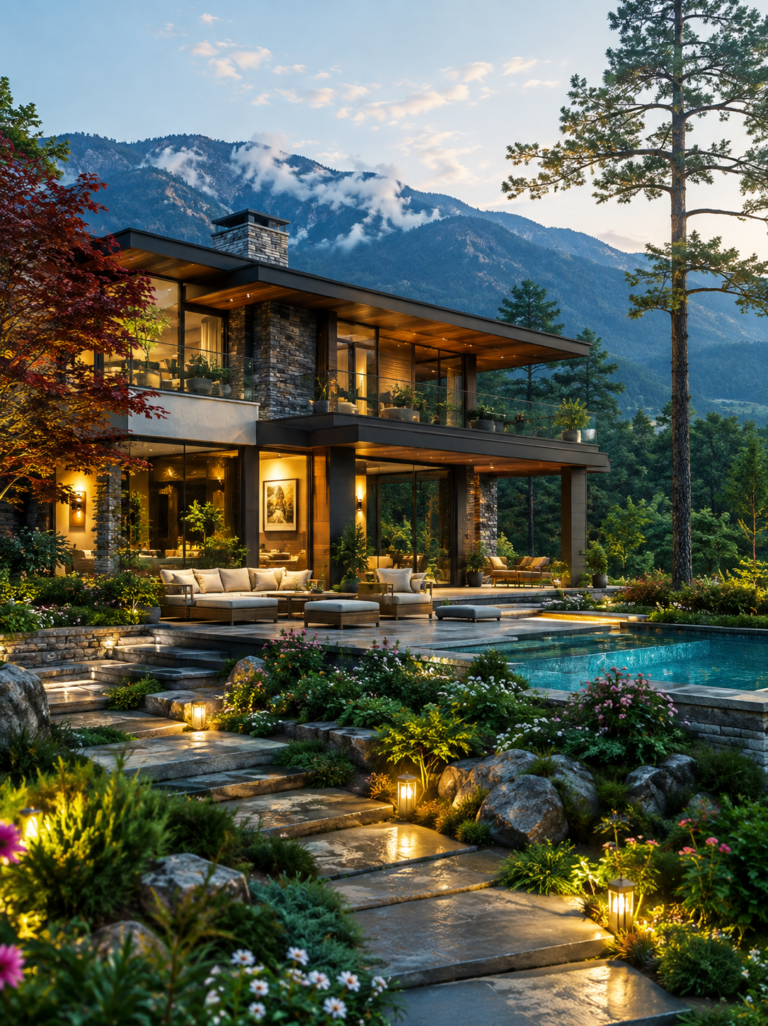
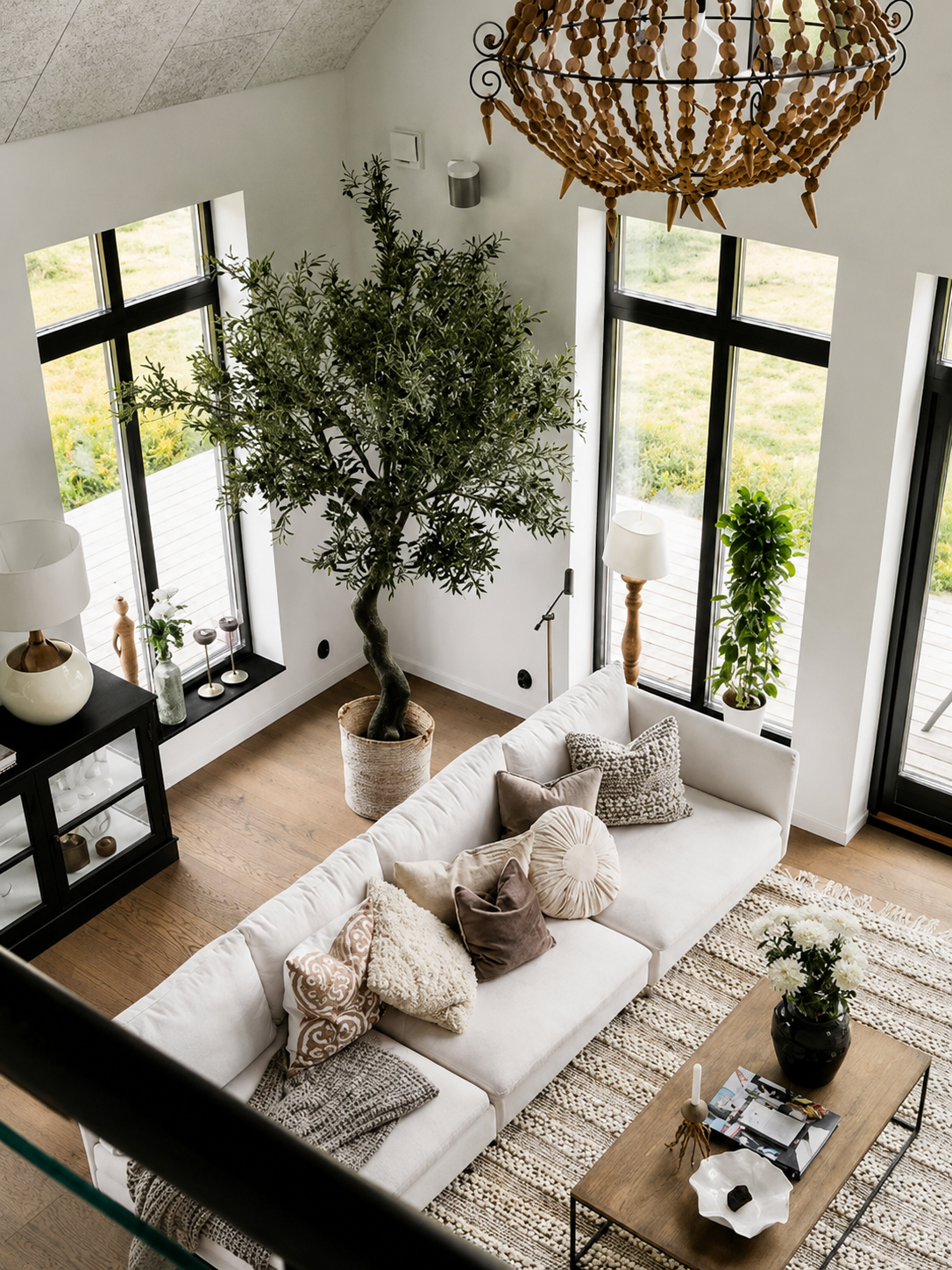
Home Design Ideas: How to Create a Beautiful, Comfortable, and Modern Home
Home design is about much more than choosing attractive furniture or painting the walls a trendy color. A well-designed home should reflect the people who live there while providing comfort, functionality, and a sense of personality. Whether you are decorating a small apartment, renovating a family house, or simply refreshing one room, thoughtful design choices can completely change how a space feels.
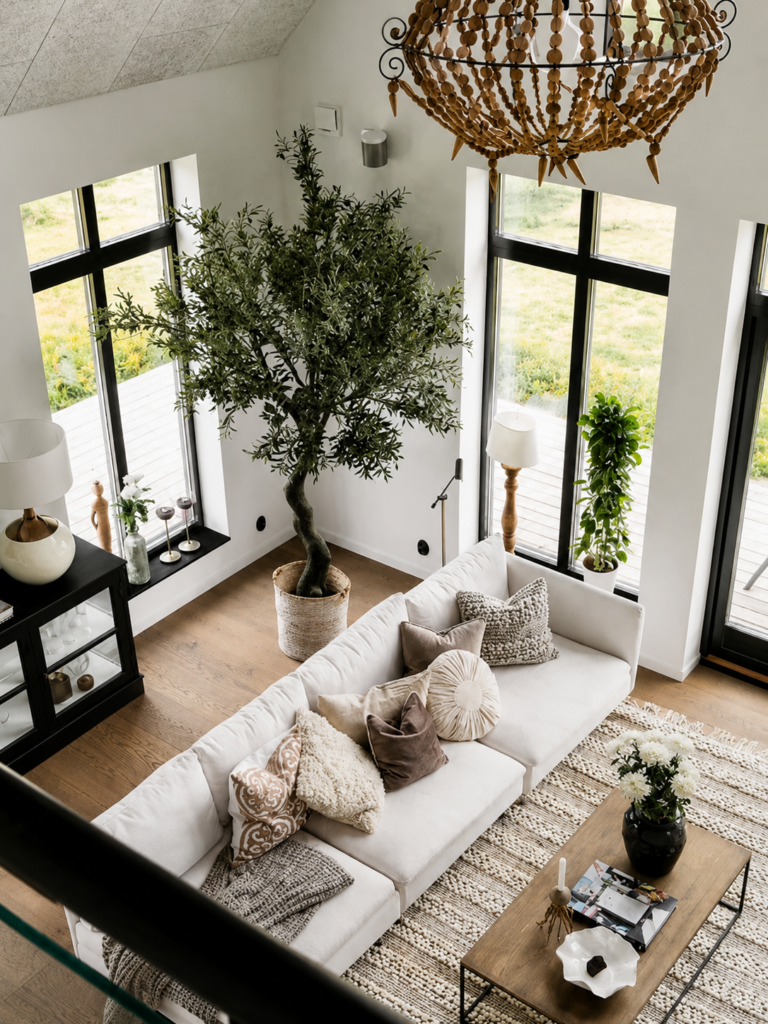
Modern homeowners have more design possibilities than ever. From warm minimalism and natural materials to bold colors and multifunctional furniture, today’s interiors can be customized to suit almost any lifestyle. The key is finding the right balance between appearance and practicality.
Start With a Clear Design Style
Before buying furniture or accessories, decide what kind of atmosphere you want to create.
Some homeowners prefer minimalist interiors with clean lines, neutral colors, and limited decoration. Others enjoy traditional spaces filled with classic furniture, patterns, and decorative details. Modern, Scandinavian, industrial, farmhouse, contemporary, and Japandi-inspired interiors are also popular choices.
You do not have to follow one style perfectly. Combining elements from different styles can create a more personal home. However, having a general direction makes it easier to choose colors, furniture, lighting, and accessories that work together.
Choose a Practical Color Palette
Color has a major influence on the atmosphere of a room.
Neutral colors such as white, cream, beige, gray, and soft brown can make a space feel calm and timeless. They also provide a flexible background for furniture and decorative objects.
If you prefer more personality, introduce accent colors through cushions, artwork, curtains, rugs, or a feature wall.
A useful approach is to choose one main color, one secondary color, and one or two accent shades. This creates visual consistency without making the room feel overly coordinated.
Make Natural Light a Priority
Natural light can make almost any room feel larger, brighter, and more welcoming.
Avoid blocking windows with heavy furniture whenever possible. Use lightweight curtains or blinds that allow sunlight to enter during the day.
Mirrors can also help reflect natural light around a room. Placing a large mirror opposite or near a window can create a brighter visual effect while making the space appear more open.
When designing a new home or renovating an existing one, think carefully about window placement and orientation. Good natural lighting can reduce the need for artificial lighting during the day and improve the overall atmosphere.
Choose Furniture Based on the Space
Furniture should fit the room rather than simply looking attractive in a showroom.
Before purchasing a sofa, dining table, bed, or cabinet, measure the available space. Consider doorways, windows, walking paths, and other furniture.
Oversized furniture can make a small room feel crowded, while furniture that is too small can make a large room feel empty.
Multifunctional furniture is particularly useful in smaller homes. Storage beds, extendable dining tables, nesting tables, modular sofas, and foldable desks can provide flexibility without taking up unnecessary space.
Create Functional Living Areas
A beautiful home should also be easy to live in.
Think about how each room is actually used. In a living room, for example, furniture should encourage conversation while maintaining comfortable walking paths.
In an open-plan home, rugs, lighting, furniture placement, and subtle changes in color can help visually separate different areas without building walls.
A dining area can be defined with a pendant light above the table, while a reading corner can be created with a comfortable chair, small table, and floor lamp.
Good design makes everyday activities feel natural.
Bring Nature Indoors
Natural elements can add warmth and character to modern interiors.
Houseplants are one of the easiest ways to introduce nature into a room. Small plants can sit on shelves and tables, while larger plants can become statement pieces in living rooms or entryways.
Wood, stone, rattan, bamboo, linen, and other natural materials can also create a more organic atmosphere.
Even if you prefer a minimalist interior, adding a few natural textures can prevent the space from feeling cold or overly sterile.
Pay Attention to Lighting
Lighting is one of the most overlooked aspects of home design.
A single ceiling light is rarely enough to create a comfortable atmosphere. Instead, consider using several layers of lighting.
Ambient lighting provides general illumination. Task lighting helps with activities such as reading, cooking, or working. Accent lighting highlights artwork, architectural features, shelves, or decorative objects.
Floor lamps, table lamps, wall lights, pendant lights, and under-cabinet lighting can all contribute to a more sophisticated environment.
Warm lighting is often effective in bedrooms and living rooms because it creates a relaxed atmosphere, while brighter lighting can be useful in kitchens, offices, and work areas.
Design a Comfortable Bedroom
The bedroom should feel calm and relaxing.
Choose a comfortable bed as the central element and build the room around it. Soft bedding, layered textiles, bedside lighting, and appropriate storage can make the space feel more inviting.
Avoid excessive clutter. A bedroom filled with unnecessary objects can make it harder to relax.
Soft neutral colors, natural textures, and warm lighting are particularly effective for creating a peaceful environment.
If you enjoy color, consider using it through artwork, cushions, blankets, or a feature wall rather than overwhelming the entire room.
Create a Welcoming Living Room
The living room is often the social center of a home, so it should balance comfort and style.
Start with seating that suits the size of the room. A large sofa may work well in a family home, while a compact sofa and accent chairs may be more appropriate for a smaller apartment.
Add a rug to visually anchor the seating area. Coffee tables, side tables, cushions, artwork, and plants can then provide additional layers.
Do not push every piece of furniture against the walls simply because there is more open floor space in the center. Sometimes bringing furniture slightly inward creates a more intimate and comfortable arrangement.
Make the Kitchen Both Beautiful and Efficient
Kitchen design should prioritize functionality.
Think about how you move between the refrigerator, sink, cooking area, and storage. Frequently used items should be easy to access.
Open shelving can make a kitchen feel more spacious, but too many exposed objects can create visual clutter. A combination of closed cabinets and carefully styled open shelves often provides a good balance.
Materials such as wood, stone, glass, and metal can be combined to create depth and character.
Lighting is also essential. Under-cabinet lights can improve visibility on work surfaces while pendant lights can add visual interest above an island or dining area.
Add Personality With Accessories
Accessories are where a home begins to feel personal.
Artwork, books, photographs, ceramics, sculptures, cushions, rugs, candles, and decorative objects can tell a story about the people who live there.
You do not need to fill every empty surface. A smaller number of carefully selected objects can have a stronger visual impact than dozens of unrelated decorations.
Try grouping objects of different heights and textures together. This creates visual interest while keeping the arrangement intentional.
Keep Storage in Mind
One of the most important principles of successful home design is having enough storage.
Clutter can quickly undermine even the most beautiful interior. Built-in cabinets, floating shelves, storage benches, baskets, drawers, and multifunctional furniture can help keep everyday items organized.
Storage does not have to look boring. Custom cabinetry can become an important architectural feature, while attractive baskets and boxes can combine organization with decoration.
Design for the Future
A good home should not only look beautiful today; it should also adapt to changing needs.
Consider flexible spaces that can serve multiple purposes. A guest room might also function as a home office. A large dining area could become a workspace when needed.
Choose durable materials in high-traffic areas and furniture that can withstand everyday use.
When making expensive design decisions, prioritize quality and longevity over short-lived trends.
Final Thoughts
Great home design is ultimately about creating a space that feels comfortable, functional, and personal.
You do not need an enormous budget or a professionally designed house to achieve a beautiful interior. Start with a clear style, choose a cohesive color palette, make good use of natural light, select appropriately sized furniture, and build the room gradually.
Most importantly, allow your home to reflect your personality. Trends can provide inspiration, but the best interiors are not necessarily those that look like showroom displays. They are spaces that feel welcoming, practical, and genuinely connected to the people who live there.
Whether you prefer minimalist simplicity, warm contemporary interiors, rustic charm, or bold modern design, thoughtful choices can turn an ordinary house into a home that feels uniquely yours.